
Understanding Cibil Score For New To Credit (NTC) Initiatives
If you're new to credit and starting your financial path, it's crucial that you understand your credit score. In India, the most common way to determine your credit worthiness is by the Trans Union CIBIL Score (Cibil Score). When you apply for a personal loan, a business loan, a home loan, or a credit card; both banks and lenders will check your Cibil Score before they can decide whether or not to provide you with funds.
If you fall into the category of “new to credit” (NTC), that may include individuals who don't have an established credit history or individuals who have very few items in their credit file with activity. While that may seem harmless, doing this can keep you from having your loans approved because lenders have no idea of your payment history to make a lending decision about whether to approve or deny your loan request. The good news is there are some very simple ways to keep your Cibil Score healthy if you know the right steps to take.
What Is A Cibil Score?
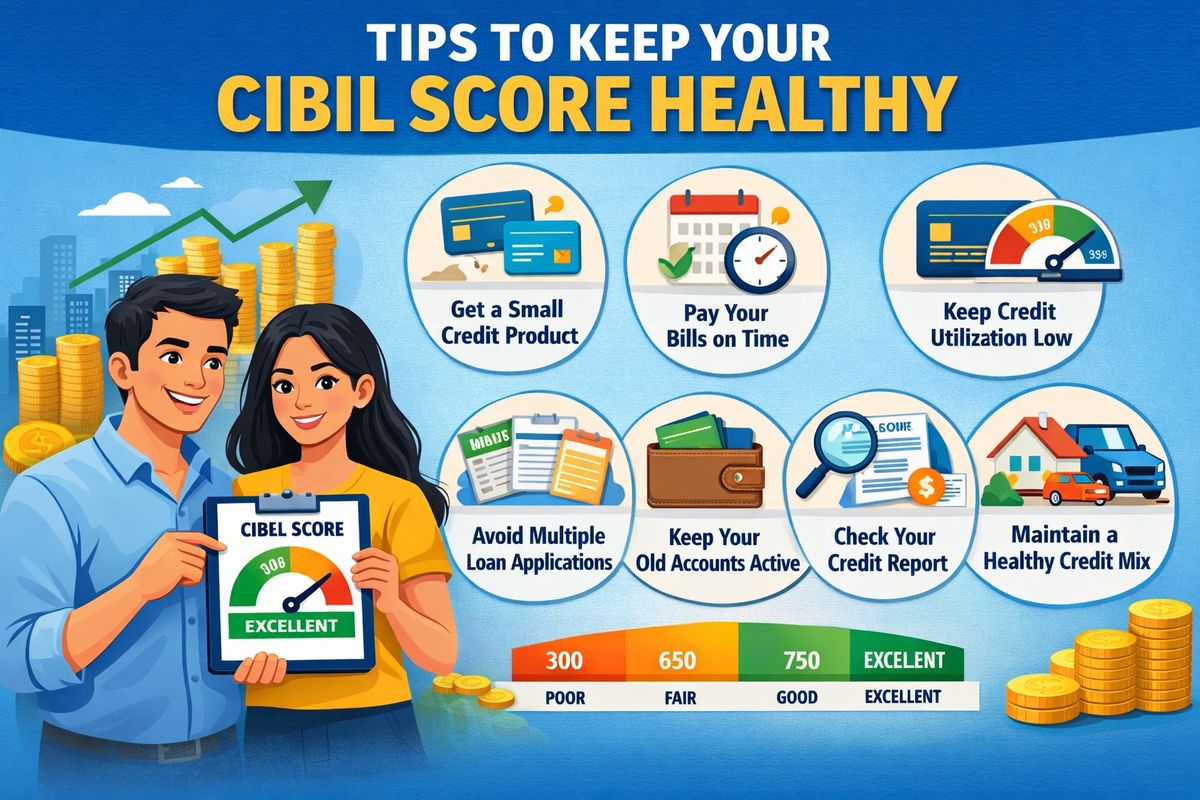
The range for a Cibil Score is from 300 to 900:
740 and above is excellent
700-739 is good
650-699 is fair
Under 650 is poor, and should require attention.
Importance of Credit for Individuals With No Credit
Individuals who have never taken out loans or used a credit card will not have any credit history based upon on their payment behavior, thereby:
Your application might be denied by a lender.
You will probably be approved for a lesser amount than requested by you.
The interest rate approved for a loan may be higher.
You need to establish a healthy credit score from the outset, so that you are able to more easily obtain approval for additional loans in the future, when you need them.
7 Ways to Maintain a Good CIBIL Credit Score
1. Get a Small Credit Product
Start with:
An entry level credit card.
A secured credit card against my FD.
A small value consumer loan for durable goods.
All of these products will help you establish your credit report over time.
2. Make your Loan/ Credit Card Payments On Time
Your credit score is primarily determined by how you made previous loan/ credit card payments on time or not. If you make only one mistake or miss only one payment, your credit score will decrease.
Tip: Set up Auto-debit/ reminder services for your loans/ credit cards.
3. Maintain a Low Credit Utilization Percentage
Credit Utilization is the amount of the total credit you have used. E.g.: If you have a ₹50,000 credit limit on your credit card, don’t use more than ₹15,000 to ₹20,000 of that amount (i.e. 30% to 40% of your limit).
4. Avoid Applying for Multiple Loans Together
When you apply for any loans, the lender will do a ‘hard inquiry’ into your credit file. Having too many hard inquiries, taken over a short period of time, can have a negative impact on your credit rating. Make sure you only apply for the loan you need or you will risk a decreased credit rating.
5. Keep Old Accounts Active
The longer your credit history, the better your credit rating. If at all possible, KEEP your very oldest credit account open, do not close it. The longer your credit file will help improve your credibility as a borrower.
6. Check your credit on a regular basis throughout the year.
It is not uncommon to find errors on your credit file such as:
Personal information on file (spelling errors, old addresses, etc.).
Loans on file that you never had.
Outstanding balances that you never had.
Regular monitoring of your credit file will help you identify errors and correct them in a timely fashion.
7. Maintain a Healthy Credit Mix
A good credit mix consists of:
Secured loans such as mortgages or car loans.
Unsecured loans, such as credit cards or personal loans.
Having a good mix of both types can help you improve your credit profile if you maintain them responsibly.
Mistakes new borrowers make are:
Only paying the minimum amount owed on credit cards.
Missing a small amount of a loan payment and thinking that it won't matter.
Closing credit cards and limiting the amount of credit available to you.
Co-signing loans without understanding what that means for your finances.
Avoiding these mistakes will help to eliminate the possibility of early credit damage.
How long does it take to generate a good score?
Creating a solid CIBIL score can happen in as short as 6 - 12 months, if you pay on time and use low amounts of credit. Building credit takes time and patience. Be consistent, and you will have a solid CIBIL score.
Final Thoughts
Having no credit history is also an opportunity to build a solid foundation for your financial future. You can develop a good CIBIL score quickly if you practice good credit habits and give yourself the best chance for future financial success.
Financial literacy is the first step toward financial success, and that is why at Samridhya, we want you to make good choices today and build a more prosperous tomorrow.
Frequently Asked Questions(FAQ)
1. What does it mean if I am "New to Credit?"
It means you do not have any credit history or active loans or credit cards to report to CIBIL.
2. What is a "Good CIBIL Score" for being approved for a loan?
In general, a good CIBIL score is 750 or higher.
3. Can I get a Loan without a CIBIL Score?
It will be difficult, however, some lenders may provide you with small secured loans or they may require a cosigner.
4. If I check my own credit score, would that decrease it?
No, any time you check your own credit score, it is classified as a "soft inquiry" and will not affect your credit score in any way.
5. What is a helpful rule of thumb for credit utilization percentages?
You want to use no more than about 30-40% of your total available credit limit.
6. What is the time required to build up a low CIBIL score?
On average, it takes approximately 6-12 months to create a positive repayment history and improve your CIBIL score after having a negative credit score.
7. Will one missing EMI affect my credit score?
One missed EMI will be able to negatively affect your credit score.
8. Should I keep unused cards open or close them?
You do not have to close unused cards; keeping dormant credit lines active will help establish a long credit history.
9. Is having a CIBIL score important for a business loan?
Yes, lenders consider your personal CIBIL to determine your qualifications for a business loan, especially for small business and startup loans.
Ready to compare real offers?
One application. 10+ RBI-registered lenders. Free for borrowers.